Excel vs Trading Journal Software: When to Upgrade (And When Not To)
October 16, 2026

March 11, 2026
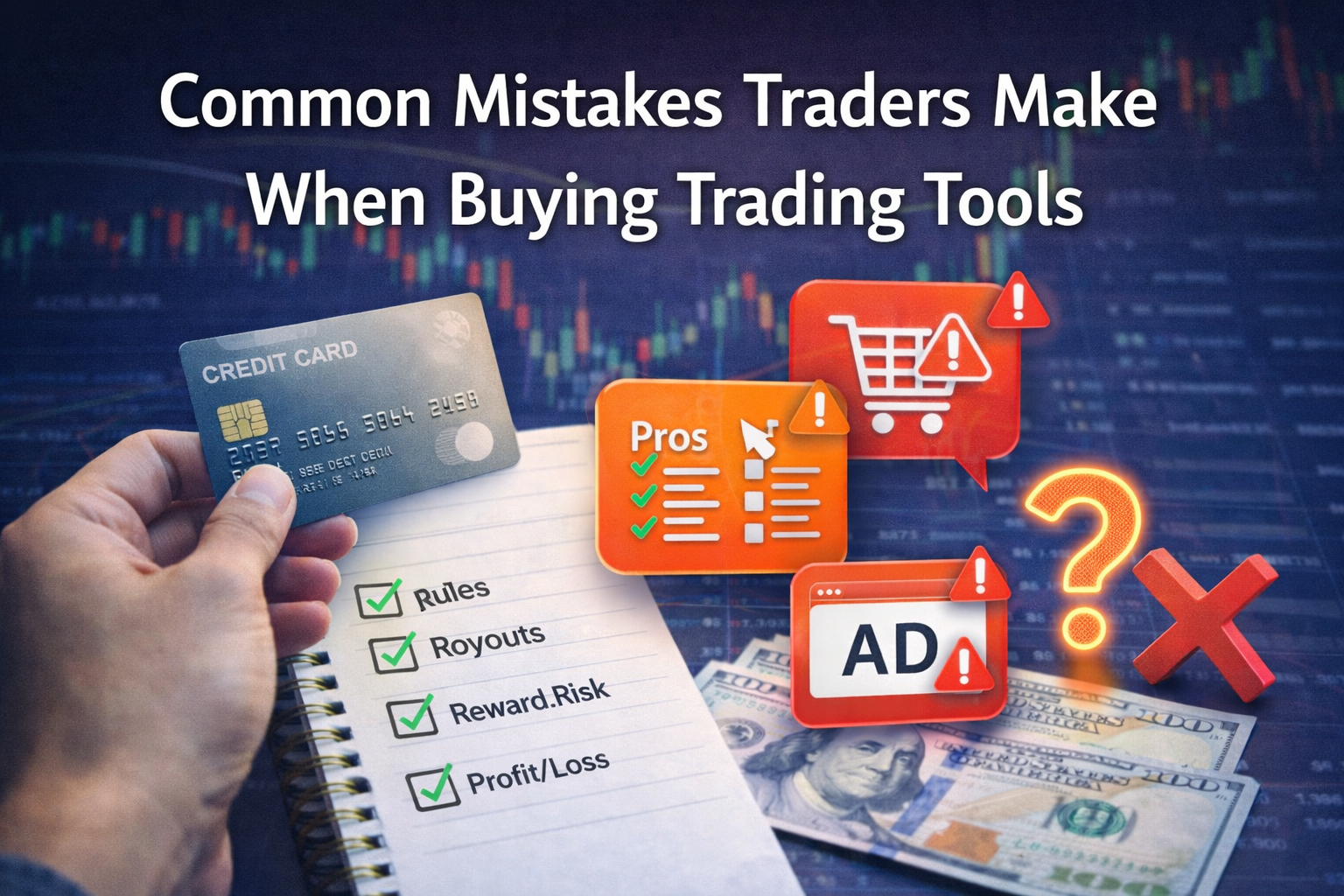
The retail trading industry is a multi-billion dollar machine, but a significant portion of that revenue doesn't come from the markets—it comes from selling shovels to the gold miners.
Every day, thousands of struggling traders buy indicators, automated bots, and signal services hoping to find the "missing link" to profitability. And every day, thousands of them are disappointed.
The problem is rarely the tool itself; it is the expectations and vetting process of the buyer. If you treat a trading tool like a magic wand rather than a force multiplier, you are destined to fail.
Here are the five most common mistakes traders make when buying software, and how to spot the red flags before you swipe your credit card.
This is the number one reason automated trading bots fail.
The Mistake: You see a backtest showing a straight line of profit over the last 3 years. It looks perfect. You buy it, turn it on, and it immediately loses money.
The Reality: The developer has "Curve Fitted" the strategy. This means they tweaked the settings (e.g., "RSI period = 14.2") so specifically to the past data that the bot effectively memorized the history rather than learning a pattern. It is perfect at predicting the past, but useless at predicting the future.
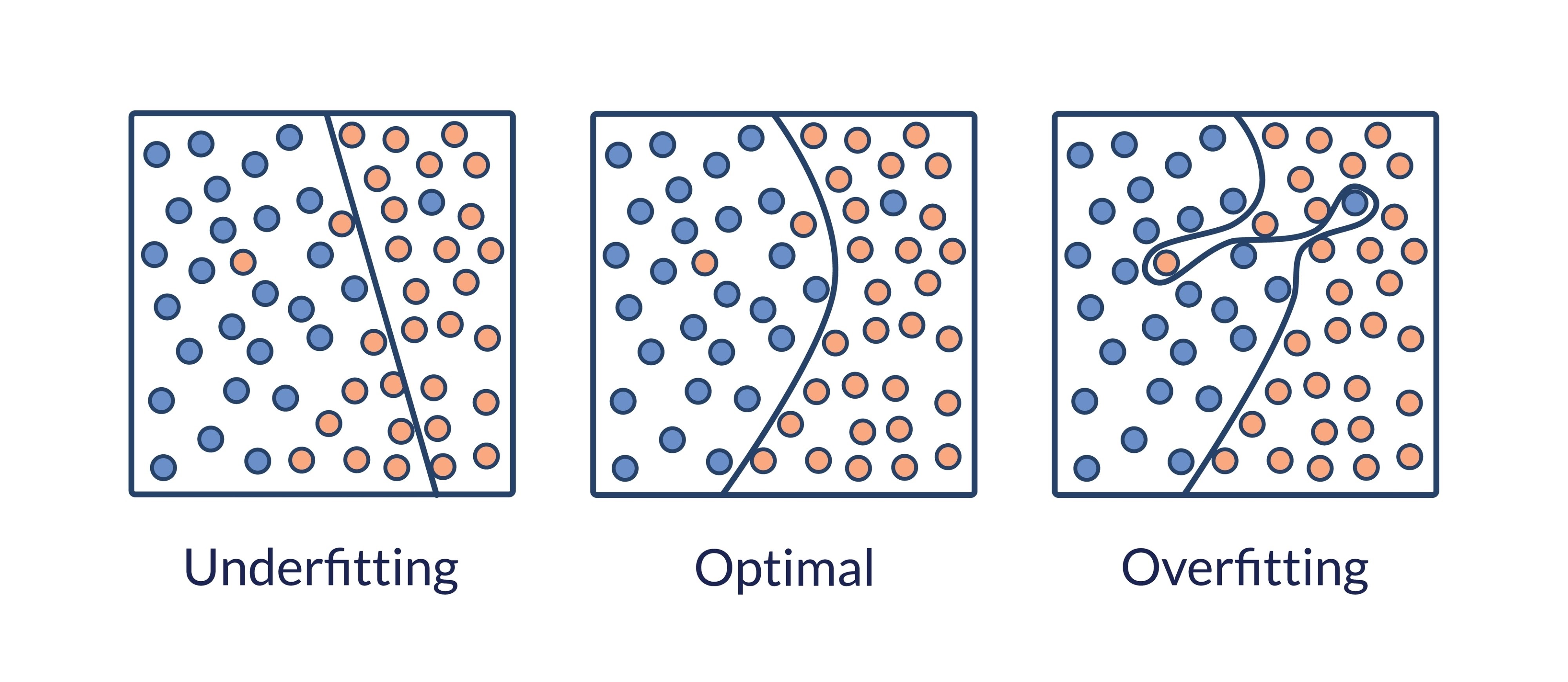
The Trader’s Takeaway:A jagged, imperfect equity curve is often more trustworthy than a smooth one. Real strategies have drawdowns. If a backtest looks too good to be true, it is over-optimized.
The Mistake: You buy a "Proprietary Algorithm" that gives you Buy/Sell signals, but the vendor refuses to tell you the logic behind it "to protect their IP."
The Reality: If you don't know why a tool is taking a trade, you will never have the confidence to stick with it during a losing streak.
The Fix: Only buy "White Box" or "Grey Box" tools where the vendor explains the core logic (e.g., "This bot trades mean reversion on the Asian Session open").
We touched on this in our Transparency Guide, but it bears repeating: Repainting is the silent killer of bankrolls.
The Mistake: Judging an indicator solely by looking at a static screenshot of a chart.
The Reality: Static charts lie. Indicators like the "ZigZag" or "Solar Wind" often redraw their signals to look perfect in hindsight. A signal that appeared to be a "Perfect Top" might have actually flashed 5 times on the way up, causing 5 losses before the final win.
The Fix: Demand a video of the indicator running in the Strategy Tester Visual Mode. This forces the indicator to print signals in real-time speed, revealing if they vanish or move.
The Mistake: You prefer buying tools with a "One-Time Fee" over a subscription because you hate monthly payments.
The Reality: Software requires maintenance. MetaTrader updates, API connections break, and market conditions shift.
The Mistake: Buying an indicator and expecting it to be the strategy.
The Reality: An indicator is just data visualization.
Buying a "Buy/Sell Arrow" indicator without a comprehensive trading plan is like buying a high-end scope for a rifle but not knowing how to aim. The tool amplifies your skill; it does not replace it.
Before you spend another dollar on trading software, run it through this 4-point audit:
The best trading tool in the world is a disciplined trader with a robust risk management plan. A $5,000 bot cannot fix a trader who risks 10% per trade.
Invest in your education and your psychology first. Then, buy tools to automate what you already know how to do.
Looking for tools that pass the test? Check out our curated list of [Best Trading Jouranls of 2026] that actually explain their logic.









.jpeg)